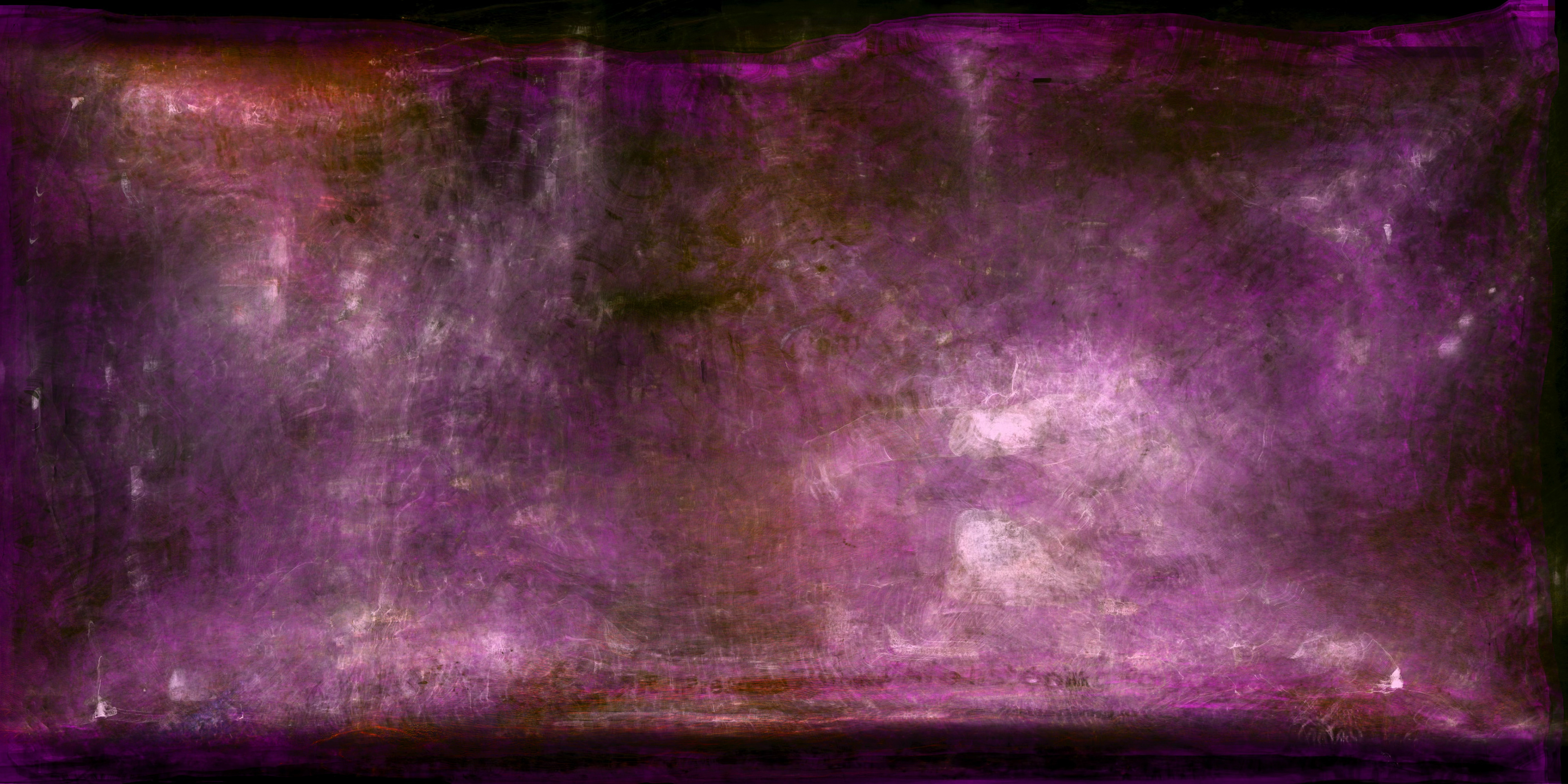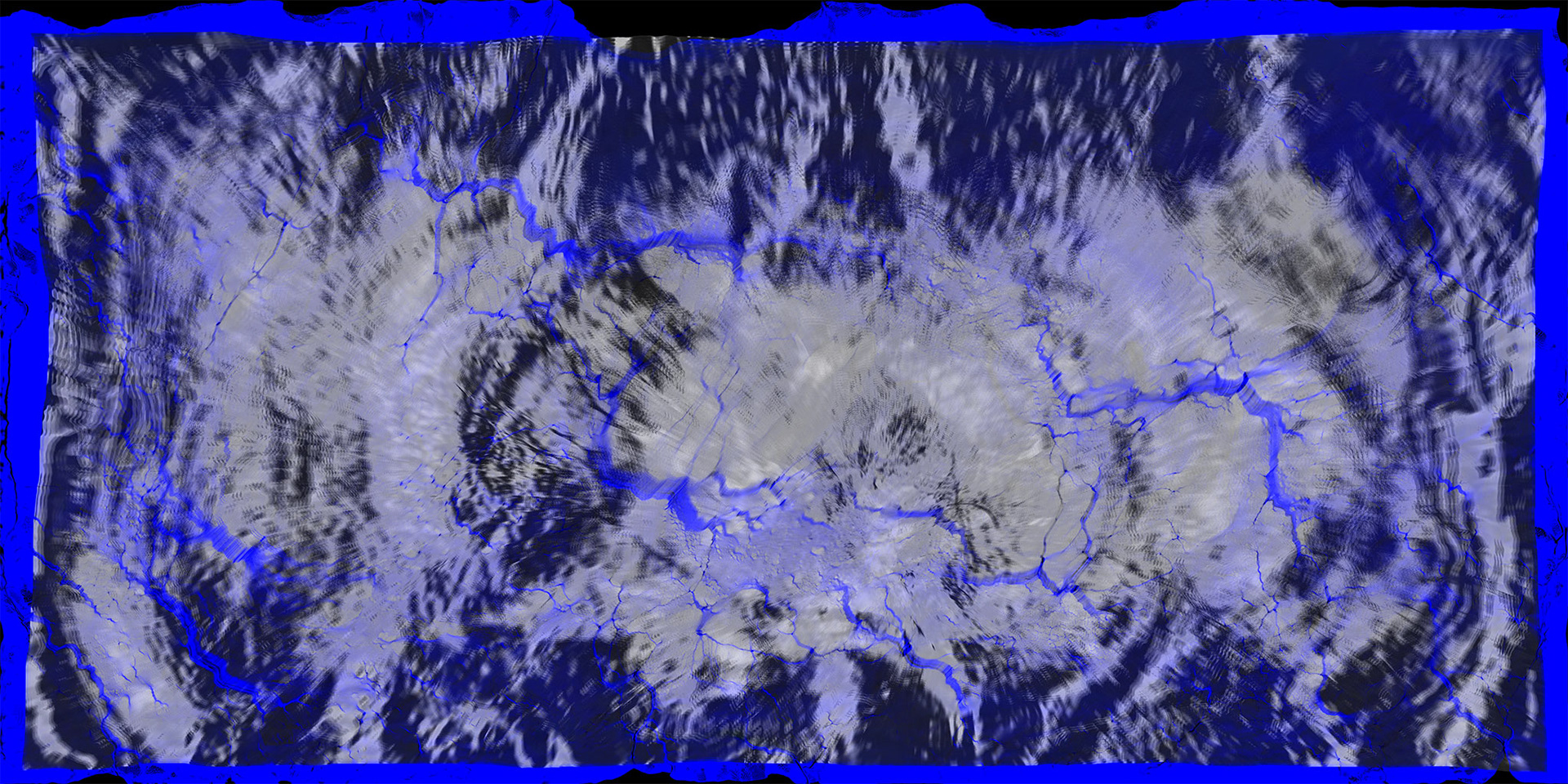
The Eye V0002 Nr.0212.00000212, February, 2020, mixed media. cr. Alaz
These works sit inside a practice I describe as procedural painting: an image-making method developed at the seam between cinema post-production and digital print. Thousands of visual fragments—press imagery, film frames, and anonymous online material—are compressed, abstracted, and re-assembled into a new surface logic. The results behave like “paintings,” but the brush is replaced by editing decisions, software constraints, and algorithmic drift.
A curatorial reading of this body (developed around the works’ first public-facing context) frames them* as digital-age pictures shaped by the conditions of circulation: media pressure, migration, sexuality as a coded public topic, and climate anxiety as growing concerns in their background. The images are not illustrations of those themes; they operate more in affective and perceptual trace—what gets stuck to the eye when visibility is regulated by systems (headlines, feeds, interfaces, reputations). In that sense, the works treat upcycling not as a lifestyle motif but as a structural principle: discarded images are not “cleaned,” they are reformatted—kept unstable—so the viewer stays aware of the archive’s politics.
Process Notes:
Source logic: large pools of found material (abandoned footage + news/online imagery + cinematic fragments) treated as “evidence,” not reference.
Transformation: abstraction through coded/technical procedures; image compression and reconstitution produce a second-order legibility.
Aesthetic premise: montage becomes a surface—a pressure field—rather than a hidden post step.
Output: the digital file is resolved as an object (UV print / Diasec), so the re-assembled imagery gains weight, glare, and scale.
*Alaz Burak Şen's digital painting practice featured in an article written by Sevil Dolmacı, “Dijital çağın resimleri” Milliyet Sanat (January 2020), 48–49. Scanned two-page spread.
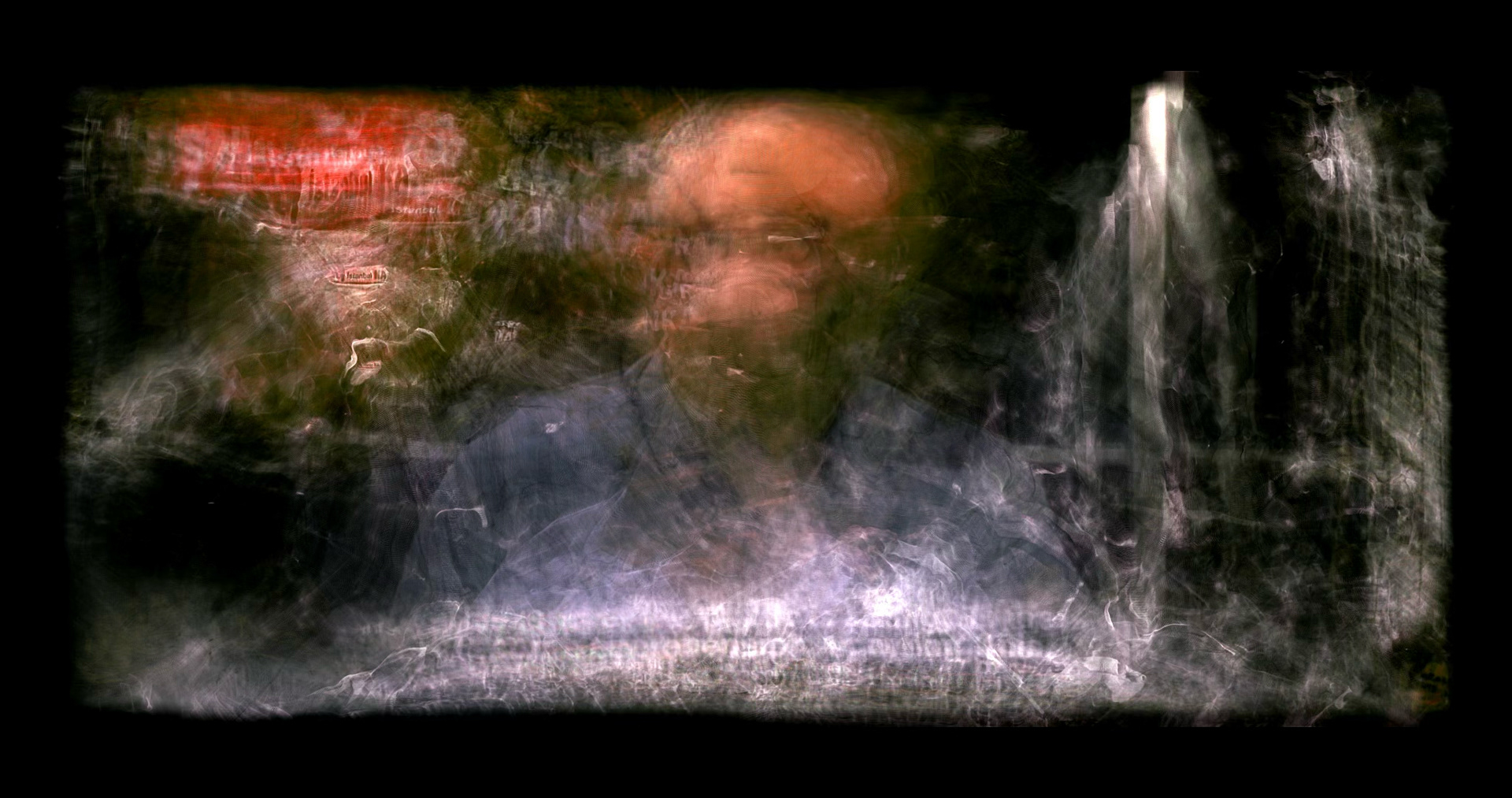
The Digital Rule Nr. 10.00000273, 2019, mixed media. cr. Alaz.
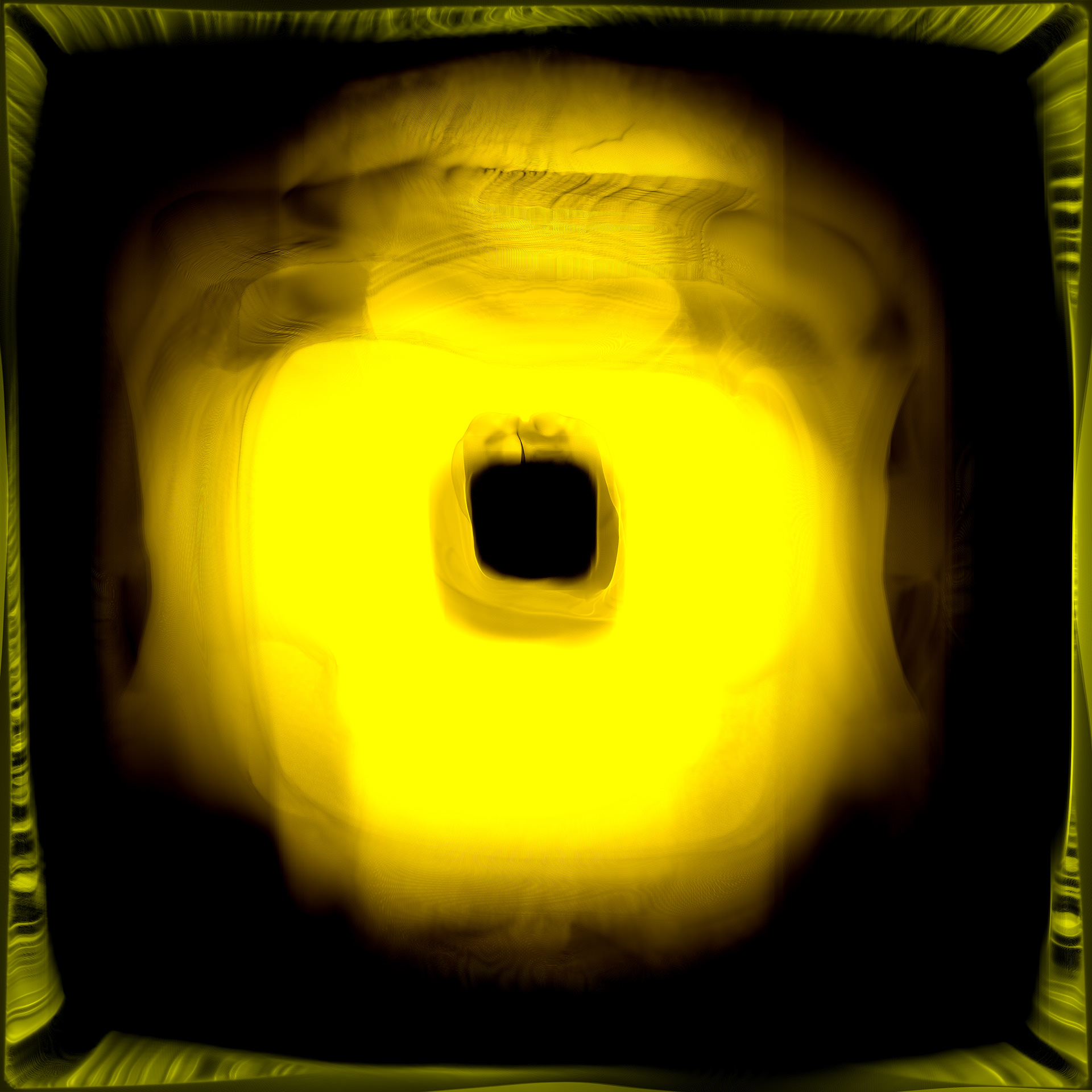
Kill Your Darlings V001 A 40.00000040, 2019, mixed media. cr. Alaz.
selected works and series
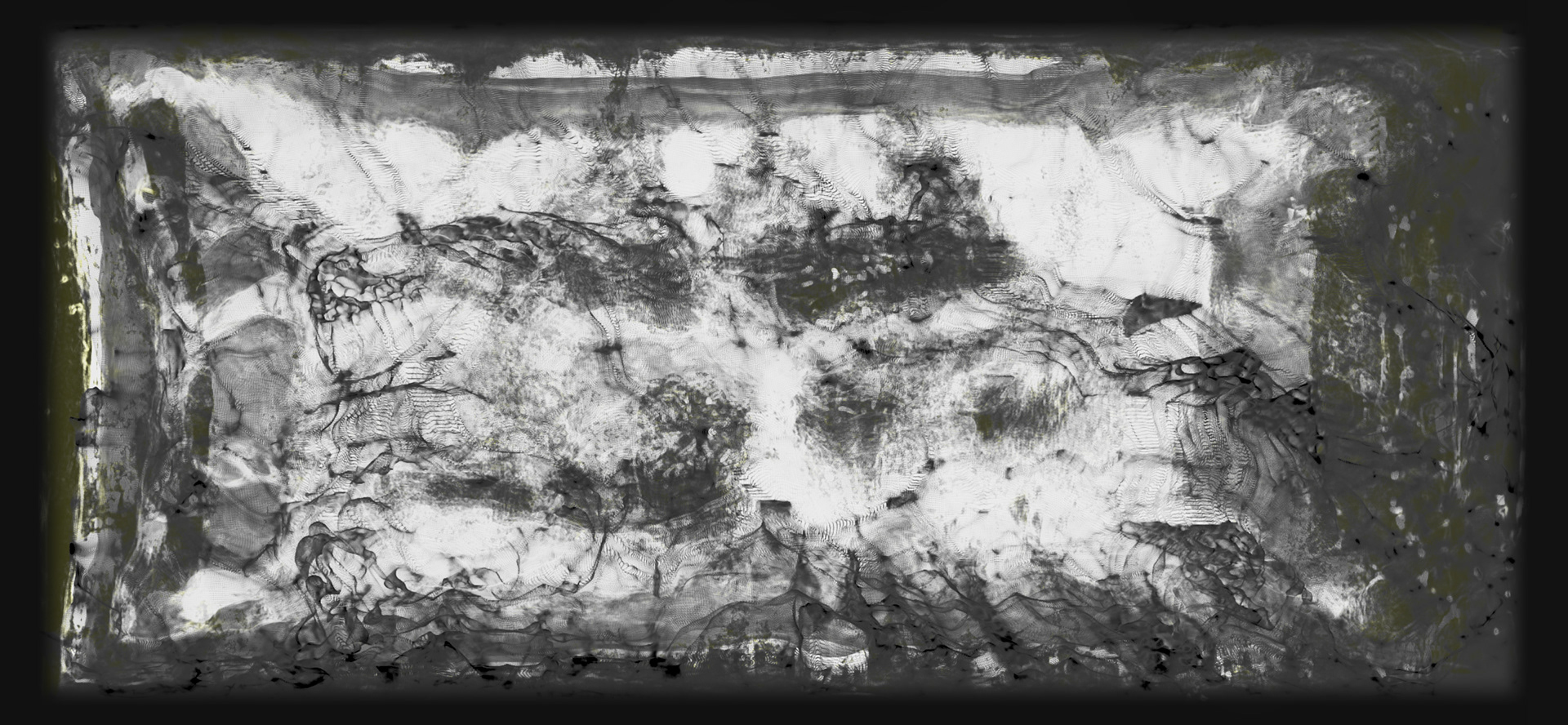
The Prestige Nr. 03.00000001, 2019, mixed media. cr. Alaz.
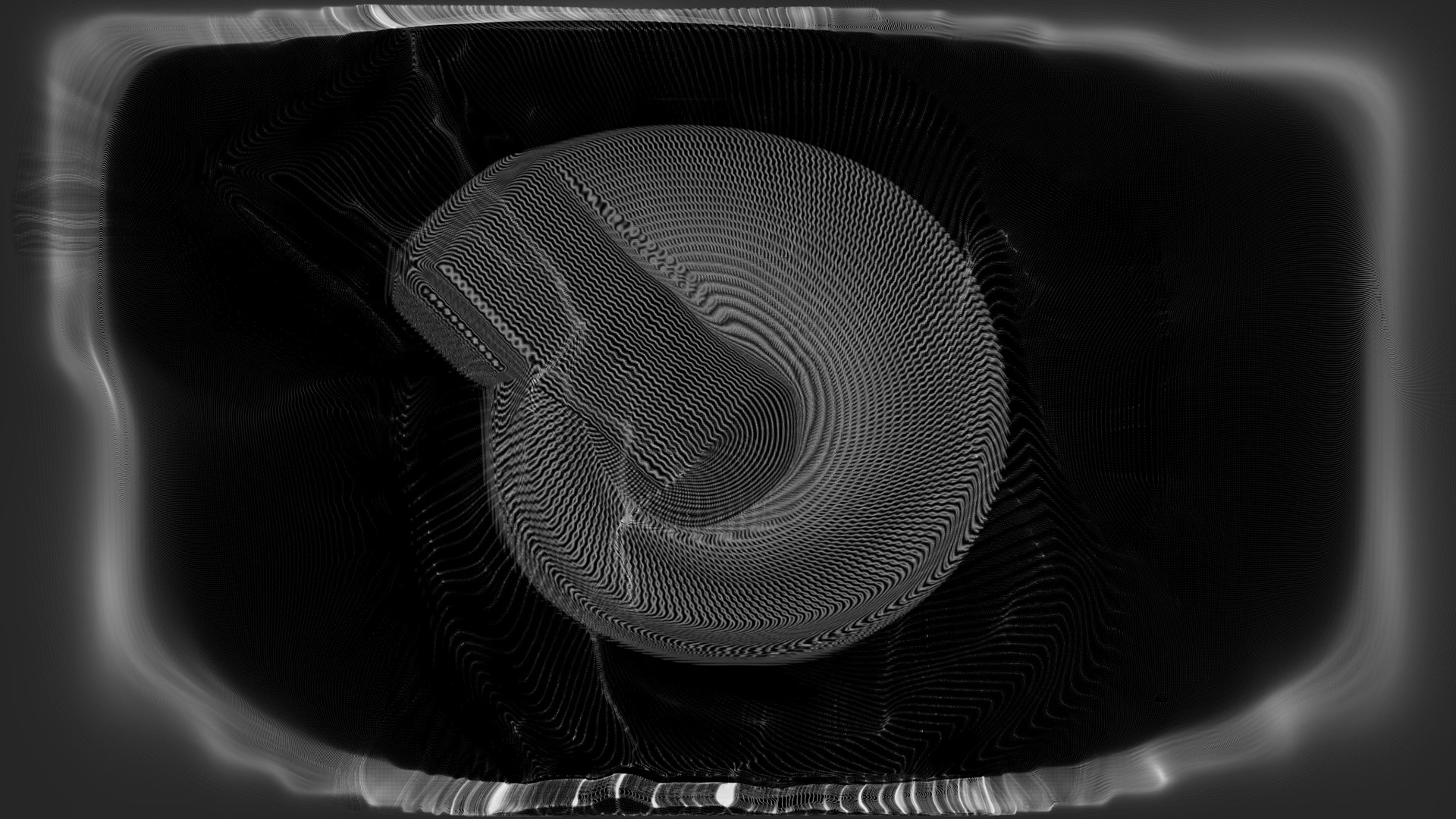
The Eye Nr. 0006.01068349, 2019, mixed media. cr. Alaz.
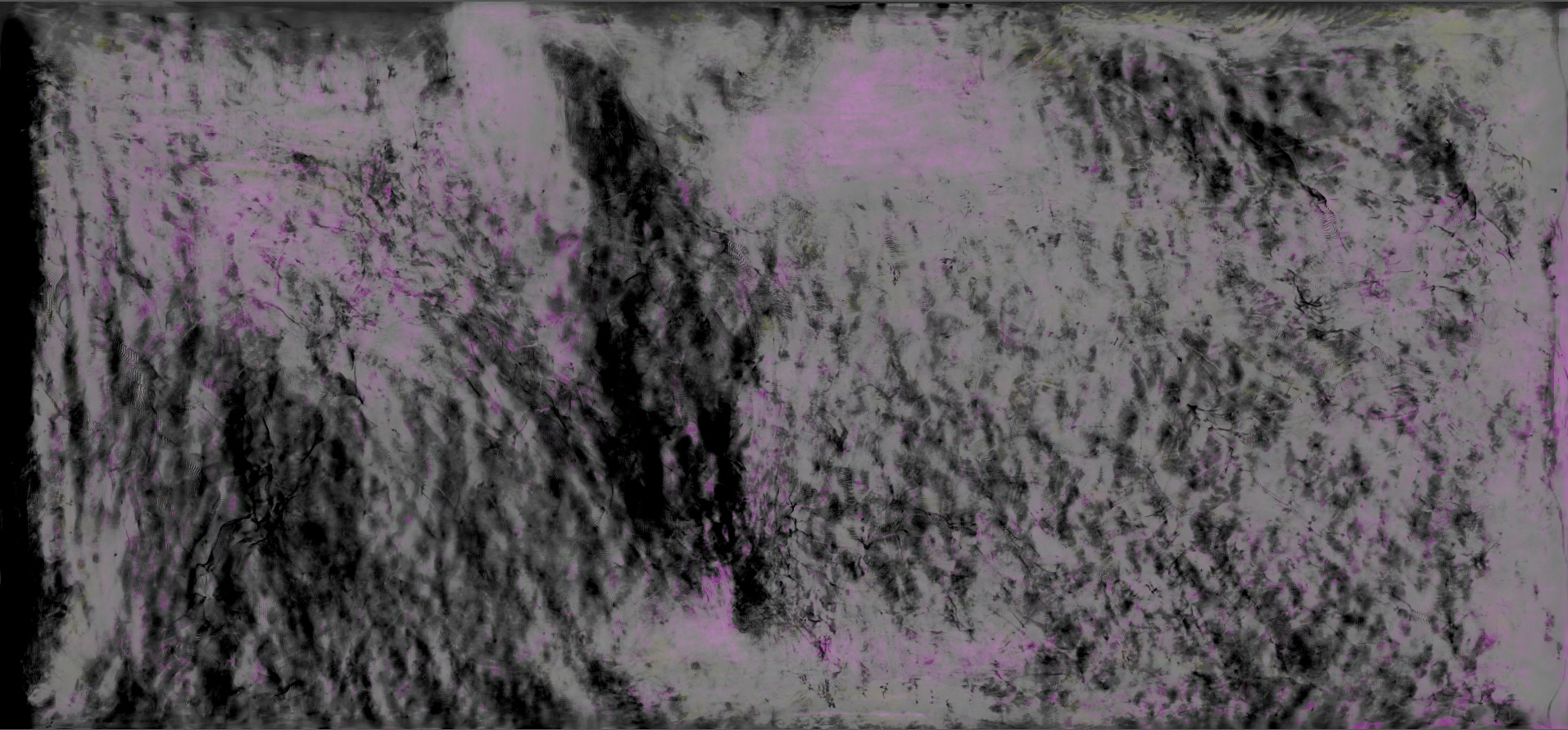
The Eye Nr. 0006.01068349, 2019, mixed media. cr. Alaz.

The Digital Rule 10 Nr. 00000014, 2019, mixed media. Cr. Alaz.
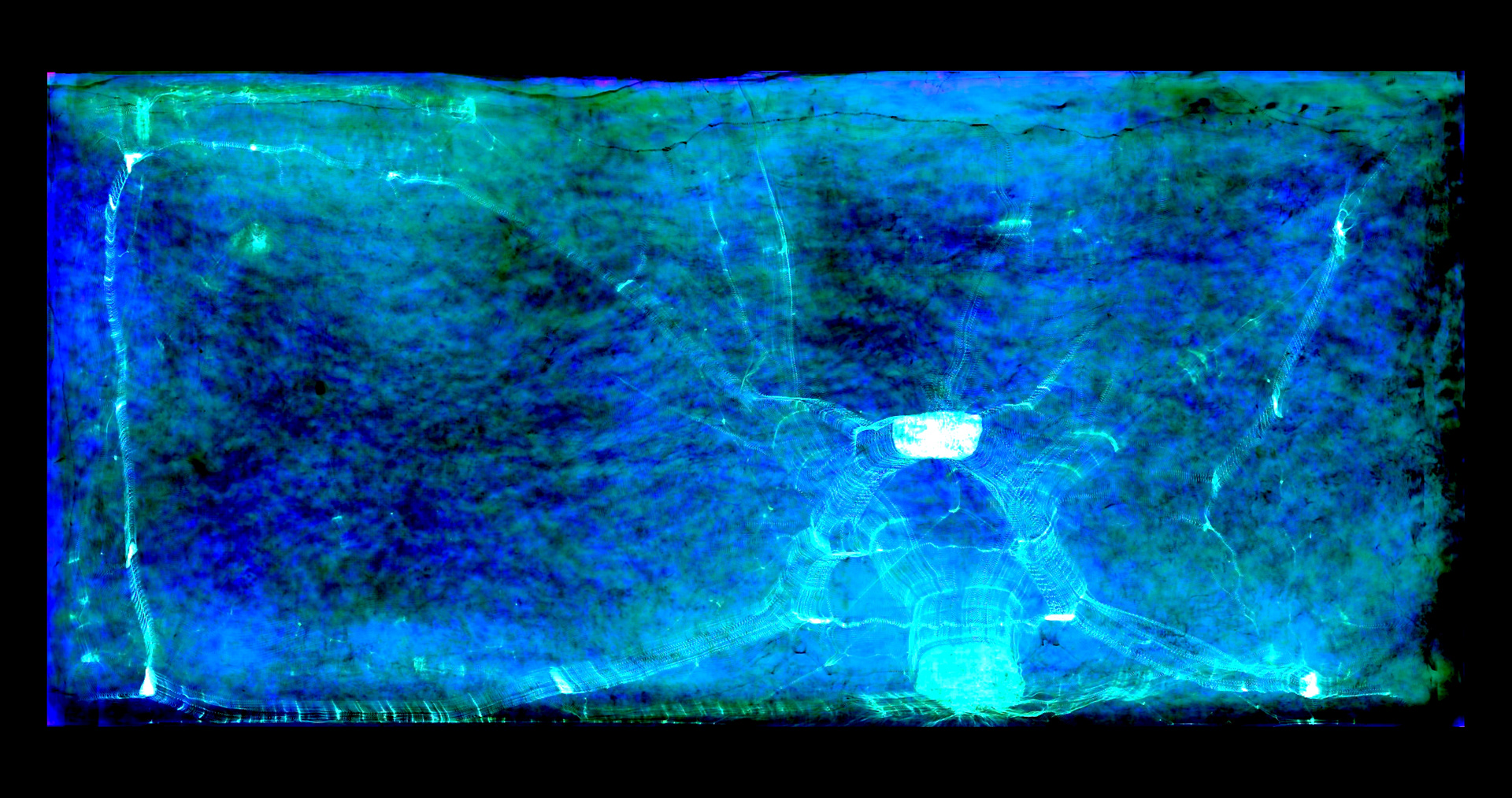
The Digital Rule Nr. 13.00000009, 2019, mixed media. cr. Alaz.
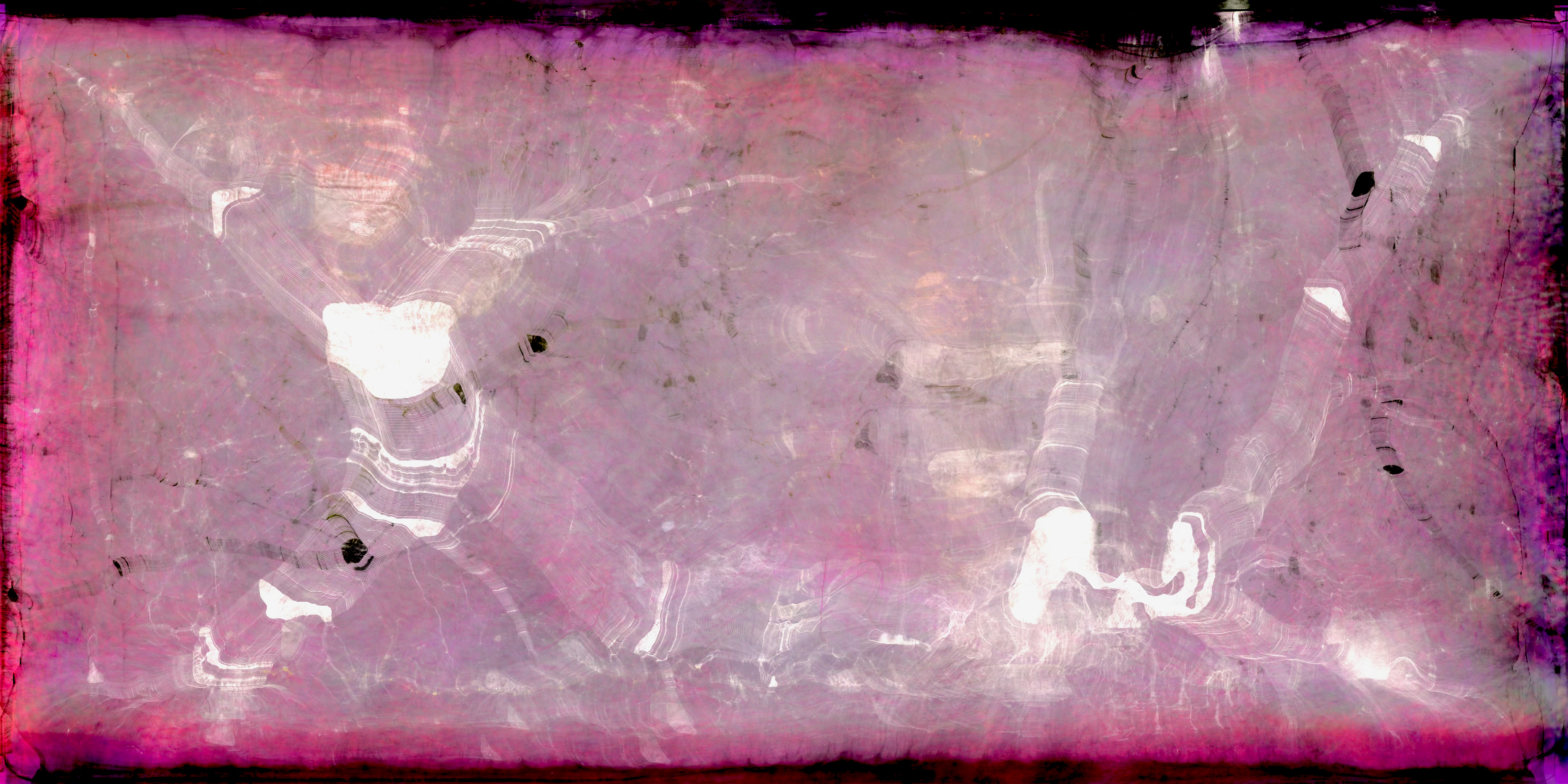
The Digital Rule Nr. 46.00000021, 2019, mixed media. cr. Alaz.
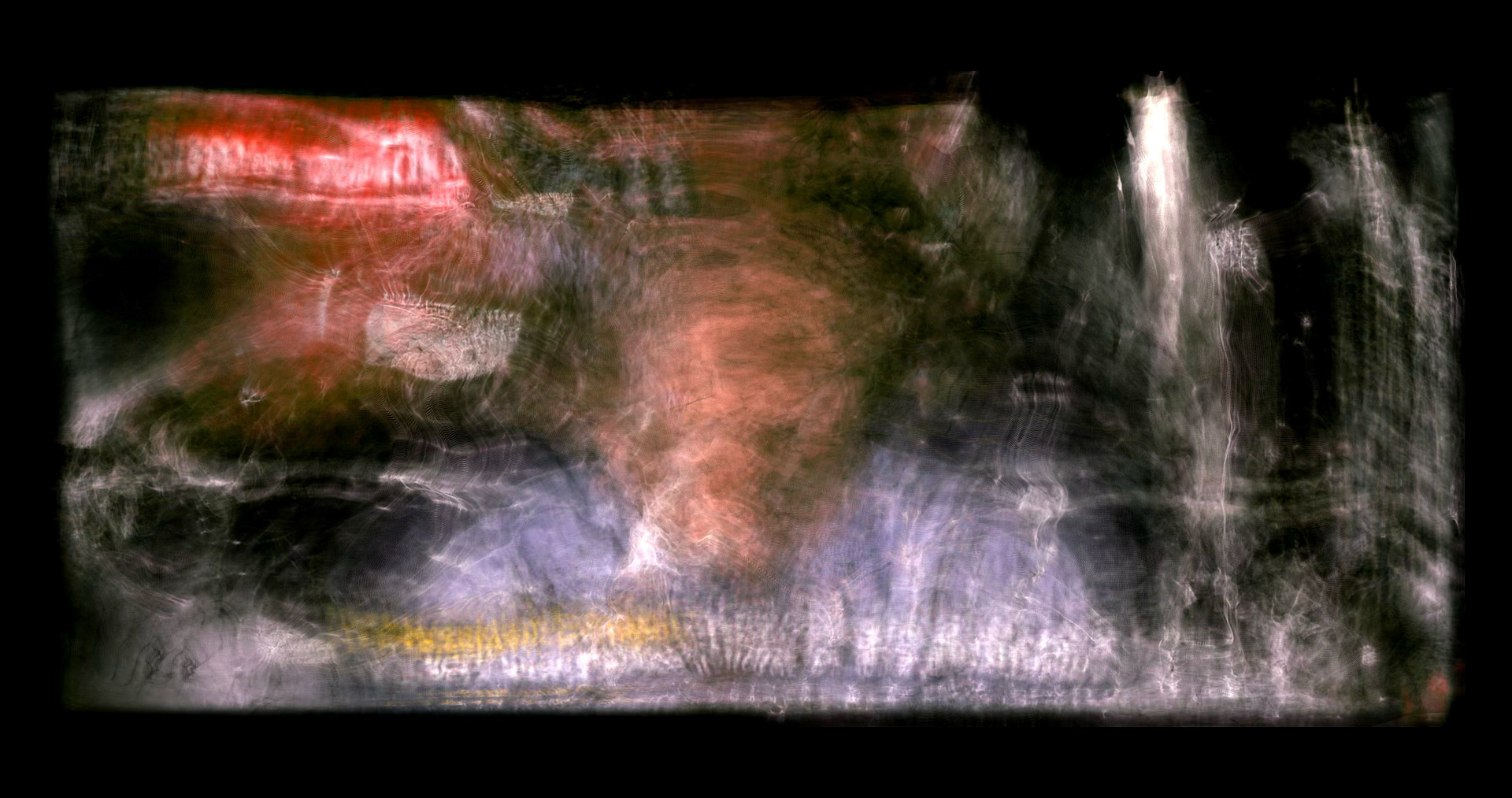
The Digital Rule PR10 Nr. 00000211, 2019, mixed media. Cr. Alaz.